


 Send Inquiry
Flame Hardening Service
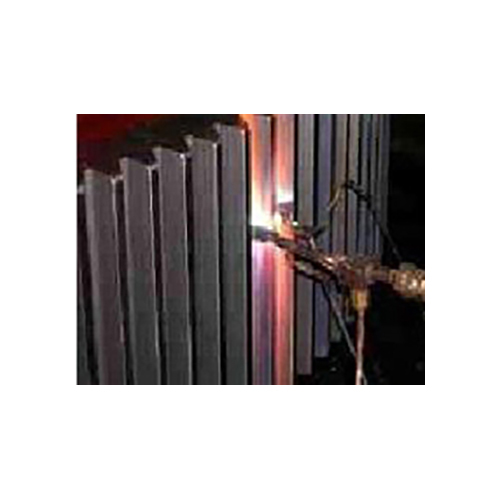

Flame Hardening Service Specification
- Service Type
- Industrial Flame Hardening
- Recommended For
- Wear-prone and heavy-duty industrial components
- Features
- Enhanced Surface Hardness, Improved Wear Resistance, Minimal Distortion
- Technique
- Localized Heating by Oxy-Fuel Flame followed by Quenching
- Surface Finish After Hardening
- As per customer requirement
- Maximum Component Weight
- Up to 10 Tons
- Heating Source
- Oxy-acetylene or Oxy-propane Flame
- Service Delivery Time
- Typically 1-10 days depending on component size
- Quality Standard
- As per ISO or Customer Specification
- Applicable Material
- Carbon Steel, Alloy Steel, Cast Iron, Tool Steel
- Product Name
- Flame Hardening Service
- Surface Hardness
- Up to 65 HRC
- Usage/Application
- Gears, Shafts, Rollers, Rails, Machine Components
- Service Mode
- On Site or In-House
- Inspection Method
- Hardness Testing, Visual Inspection, NDT on request
- Process Type
- Direct Flame Surface Hardening
- Hardening Depth
- 1 mm to 6 mm
- Component Size Range
- Small to Large Components (customizable)
- Treatment Temperature
- Up to 1100°C
- Post-Treatment Process
- Tempering if required
Flame Hardening Service Trade Information
- Minimum Order Quantity
- 100 Square Inches
- Payment Terms
- Cash Advance (CA), Cash in Advance (CID), Cheque
- Main Domestic Market
- All India
About Flame Hardening Service
Basically, it is to leave thecore of the part soft and harden the surface. It is applied to mild steels,alloy steels, cast iron parts and generally medium carbon steels. In flamehardening, the surface is heated by flame without any significant temperaturechange in the interior of the part. The surface of the part is austenitized andthen subjected to quenching.
Any desired surface of thesteel is heated with a flame to the appropriate temperature. When theaustenitization is completed, the steel is quenched and the surface ishardened. In flame hardening, the heat is mostly provided by oxy-acetylene, itcan also be provided with the help of other devices. During the heating phaseof the part, various gases are assisted. Gases such as acetylene and air can beused most of the time, and in some cases propane.
With the appropriate mechanismsthat can be used, the part is easily heated and then cooled quickly. Thehardening depth is adjusted by controlling the values such as flame intensity,heating time, rotational-advance movement speed. There are 4 different methodswhen applying flame hardening; There are different methods such as moving,forward moving, rotary motion and rotary-progressive motion. When applyingflame hardening, it is most important that the person doing the work in manualmechanisms is highly skilled and beyond that, experienced. If excessive heatingis applied to the part, both grain growth and cracks and distortions are seenafter quenching. This is the biggest possible disadvantage of flame hardening.
In flame hardening, quenchingat the end of heating is generally applied by spraying, valid for 4 differentmethods.
The duration of the flamehardening heat treatment is shorter compared to cementation and nitriding.Flame hardening, which is more suitable for cementation and nitration in termsof cost, is more ergonomic than other heat treatments. The devices used areportable and can be adjusted according to the environment and condition.Another important advantage of flame hardening is that it does not cause scaleformation. Scale does not occur, besides, undesirable situations such ascracks, tensile stress or warping do not occur in the steel.
Precision Hardening for Heavy-Duty Components
Flame hardening is ideal for wear-prone and heavy-duty industrial components that require a durable, hardened surface without significant distortion. Our process enhances surface hardness and wear resistance while ensuring the rest of the component retains its original properties. We cater to a broad spectrum of industries, offering customizable solutions for both small and large parts.
Tailored Surface Hardening with Advanced Inspection
Every job is executed to ISO or customer specifications with a focus on quality. The service employs techniques such as localized heating with an oxy-fuel flame, followed by rapid quenching. We inspect hardening results using hardness testing, visual methods, and offer NDT upon request, ensuring each component meets exacting standards before delivery.
FAQ's of Flame Hardening Service:
Q: How is flame hardening carried out on industrial components?
A: Flame hardening involves localized heating of a component's surface using an oxy-acetylene or oxy-propane flame followed by immediate quenching. This creates a hardened layer on the surface, typically between 1 mm and 6 mm deep, with minimal distortion to the underlying material.Q: What types of materials and components are suitable for this service?
A: Our flame hardening process is suitable for carbon steel, alloy steel, cast iron, and tool steel components. Common applications include gears, shafts, rollers, machine rails, and other heavy-duty parts exposed to significant wear.Q: When is post-treatment tempering recommended after flame hardening?
A: Post-treatment tempering is recommended when enhanced toughness is required, or when specified by customer requirements. This step relieves internal stresses while maintaining improved surface hardness.Q: Where is your flame hardening service available, and in what modes?
A: We provide flame hardening services throughout India, either onsite at customer locations or at our in-house facility, depending on the size and logistical needs of the project.Q: What inspection methods are used to verify quality after hardening?
A: We utilize hardness testing and visual inspection as standard practice. Additionally, Non-Destructive Testing (NDT) can be performed upon request to ensure surface integrity and hardness as required by ISO or customer-specific standards.Q: What are the key benefits of choosing industrial flame hardening?
A: This process offers enhanced surface hardness, improved wear resistance, and minimal distortion. It is highly customizable for size, hardness depth, and finish, making it a preferred choice for extending the service life of industrial components.- Minimum Order Quantity
- 100 Square Inches
- Main Domestic Market
- All India
 Get Latest Price
Price:
- 50
- 100
- 200
- 250
- 500
- 1000+


Developed and Managed by Infocom Network Private Limited.

