


 Send Inquiry
Liquid Nitriding ( ALFANIT NITRIDING)
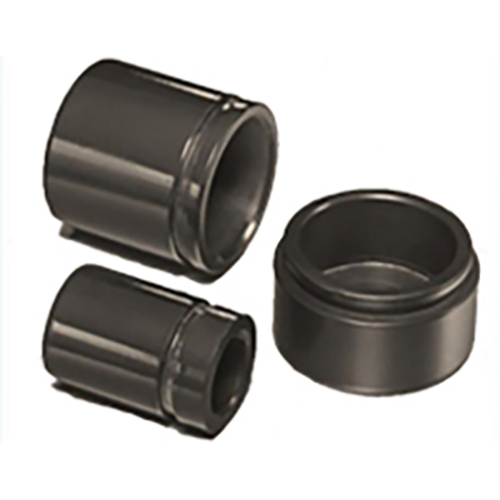

Liquid Nitriding ( ALFANIT NITRIDING) Specification
- Post Treatment Process
- Optional Polishing or Oil Dip
- Industry Certification
- Available on Request
- Maximum Component Size
- As per client specification
- Surface Finish After Treatment
- Smooth, Black to Grey Appearance
- Suitable Materials
- Mild Steel, Alloy Steel, Tool Steel, Cast Iron
- Environmental Impact
- Low emissions, Non-cyanide based
- Package Type
- Service Based or Turnkey Process Supply
- Treatment Time
- 30 minutes to 3 hours
- Service Availability
- All India
- Batch Size
- Customizable as per requirement
- Corrosion Resistance
- Improved compared to untreated steel
- Case Depth
- 0.10 mm to 0.50 mm (depending on treatment time)
- Distortion
- Minimal
- Purpose
- Surface Hardening of Ferrous Alloys
- Technology
- Chemical Surface Treatment
- Quality Standards
- Complies with International Surface Engineering Norms
- Application Area
- Automotive, Machine Parts, Tools, Aerospace Components
- Surface Hardness Achieved
- Up to 1100 HV (Vickers Hardness)
- Process Temperature
- Typically 565°C - 595°C
- Type
- Liquid Nitriding (Alfanit Nitriding)
- Wear Resistance
- Significantly Enhanced
Liquid Nitriding ( ALFANIT NITRIDING) Trade Information
- Minimum Order Quantity
- 1 Kilograms
- Supply Ability
- 2000000 Kilograms Per Day
- Delivery Time
- 2 Days
- Packaging Details
- Customers package
- Main Domestic Market
- All India
- Certifications
- ISO 9001: 2015, IATF 16949; 2016
About Liquid Nitriding ( ALFANIT NITRIDING)
ALFANIT is a LIQUID NITRIDING or NITROCARBURISING and surface hardening process used on FULLY FINISHED COMPONENTS.
ALFANIT improves the life of theferrous components especially on Engineering parts, sothat the warranty claims can be reduced.
ADVANTAGES
ALFANIT improves the resistance to WEAR, SEIZURE,GALLING, FATIGUE, CORROSIONon steels, stainless steels and cast iron components.
Fully Finished components can betreated by ALFANIT process as it gives least distortion Components which require shallow case depth by Carburizing, carbonitriding etc can be changed to ALFANIT process.
Costlier high alloyed steels can be replaced by ALFANIT treated Mild steel or low alloyed steel.
PROCESS & PROPERTIES
ALFANIT builds up a compound layer of e nitrides on the surface (10-25 mm)along with the Diffusion layer in which the Nitrogen is held in solid solution (100- 300 mm) and this layer improves the fatigue life of the treated components.
ALFANIT is the least pollutive NITROCARBURISING process available, among the salt bath technologies. The bath consists of carbonates and cyanates of alkaline metals. The chemistry of the bath is with 34 - 38%Cyanate(CNO), 17 21 % Carbonate (CO3)and 0.5 -1.0 % Cyanide (CN). The operating temperature of the bath is 560 570 C which is well below the austenitising temperature of any steel and hence least distortion on the ALFA NITROCARBURISED components. The properties of ALFA NITROCARBURISED components depend on the material composition ( more the percentage of carbon, the alloying elements present in the steel give more hardness and vice versa ).
The scuffing resistance of the ALFA NITROCARBURISED components can be studied by the Falex tester where the material to be tested in the form of a pin can be rotated at a constant speed in between the medium carbon steel jaws. The load is continuously increased through a ratchet wheel mechanism till either scuffing or extrution takes place. The load and the torque are continuously monitored. Materialswith poor adhesive wear resistance get scuffed (welded) with the jaws whereas ALFA NITROCARBURISED PINS DO NOT SCUFF but EXTRUDE axially, i.e, the integrity of the interacting surface remains intact but the frictional heat causes the core material to flow axially.
The increase in residual compressivestresses on the surface favours the fatigueresistance of the treated components.
CHANGE IN DIMENSION
ALFANIT treated component has a slight growth (low carbon steel 6-8 mm,Stainless steel 2-4 mm,Gray Cast Iron and S.G. Iron 8-12mm).
SURFACE FINISH
ALFA NITROCARBURISED COMPONENTS possess good surface finish .( Steel components with 0.2 RA Surface Finish will have 0.5 RA after nitriding )
Advanced Surface Hardening Technology
ALFANIT NITRIDING leverages controlled liquid nitriding techniques to deliver superior surface hardness and performance to ferrous alloy components. Its chemical treatment ensures uniform hardening, reduces distortion, and achieves a smooth, functional surface ideal for demanding industrial applications. The technology enables reliable enhancement of wear and corrosion resistance.
Environmentally Responsible Process
This nitriding solution utilizes non-cyanide chemistry, yielding low emissions and focusing on environmental sustainability. Manufacturers and service providers can maintain regulatory compliance while enjoying the technical advantages of surface engineering with minimal ecological impact. Choose a process that supports both high-quality production and responsible operations.
Customizable Batch Sizes and Post-Treatment Options
Our liquid nitriding service accommodates varying batch sizes tailored to client needs. Optional post-treatment processes such as polishing or oil dip enhance aesthetics and performance. With flexible turnaround times and scalable component capacity, this solution can adapt to unique project specifications across automotive, aerospace, and tooling sectors.
FAQ's of Liquid Nitriding ( ALFANIT NITRIDING):
Q: How is Liquid Nitriding (ALFANIT NITRIDING) performed?
A: Liquid Nitriding is executed by immersing ferrous alloy components in a special nitriding bath maintained between 565C and 595C. The process encourages diffusion of nitrogen into the metal's surface, thereby hardening it. Treatment time ranges from 30 minutes to 3 hours, depending on the desired case depth and component specifications.Q: What benefits does this surface treatment offer?
A: ALFANIT NITRIDING greatly increases surface hardness (up to 1100 HV), enhances wear resistance, and improves corrosion protection. Minimal distortion is achieved during treatment, making it ideal for precision components. The process also results in a smooth, black to grey appearance and boosts the life span of treated parts.Q: When should I choose liquid nitriding for my components?
A: Liquid nitriding is recommended when your project demands higher wear and corrosion resistance, increased surface hardness, and minimal component distortion. It is particularly useful for automotive parts, machine elements, aerospace components, and tools requiring prolonged service life.Q: Where is your liquid nitriding service available?
A: Our liquid nitriding service is available across all regions in India. We cater to manufacturers, producers, and service providers and can supply both turnkey solutions and individual treatment services as per specific requirements.Q: What is the typical process flow for ALFANIT NITRIDING?
A: The process includes preparation of parts, immersion in the liquid nitriding bath at defined temperatures, and controlled nitrogen diffusion. After treatment, optional post-processing such as polishing or oil dip may be applied to further enhance appearance or corrosion resistance. Quality checks and certification are available on request.Q: Which materials are suitable for this nitriding process?
A: The ALFANIT NITRIDING process is suitable for ferrous alloys such as mild steel, alloy steel, tool steel, and cast iron. It is not recommended for non-ferrous metals.Q: What standards and certifications are maintained for quality assurance?
A: Our process complies with international surface engineering norms. Industry certifications and quality documentation can be provided upon request to assure clients of adherence to global standards.- Minimum Order Quantity
- 1 Kilograms
- Supply Ability
- 2000000 Kilograms Per Day
- Delivery Time
- 2 Days
- Main Domestic Market
- All India
 Get Latest Price
Price:
- 50
- 100
- 200
- 250
- 500
- 1000+


Developed and Managed by Infocom Network Private Limited.

